Cataracts: What Toowoomba Patients Need to Know About Detection and Treatment
Cataracts are incredibly common — affecting the majority of Australians over 65 to some degree — yet many people don’t fully understand what they are, how they progress, or when treatment is needed. At Darling Downs Optometry in Toowoomba, cataract assessment is a routine part of every comprehensive eye examination.
Here’s everything you need to know.
What Is a Cataract?
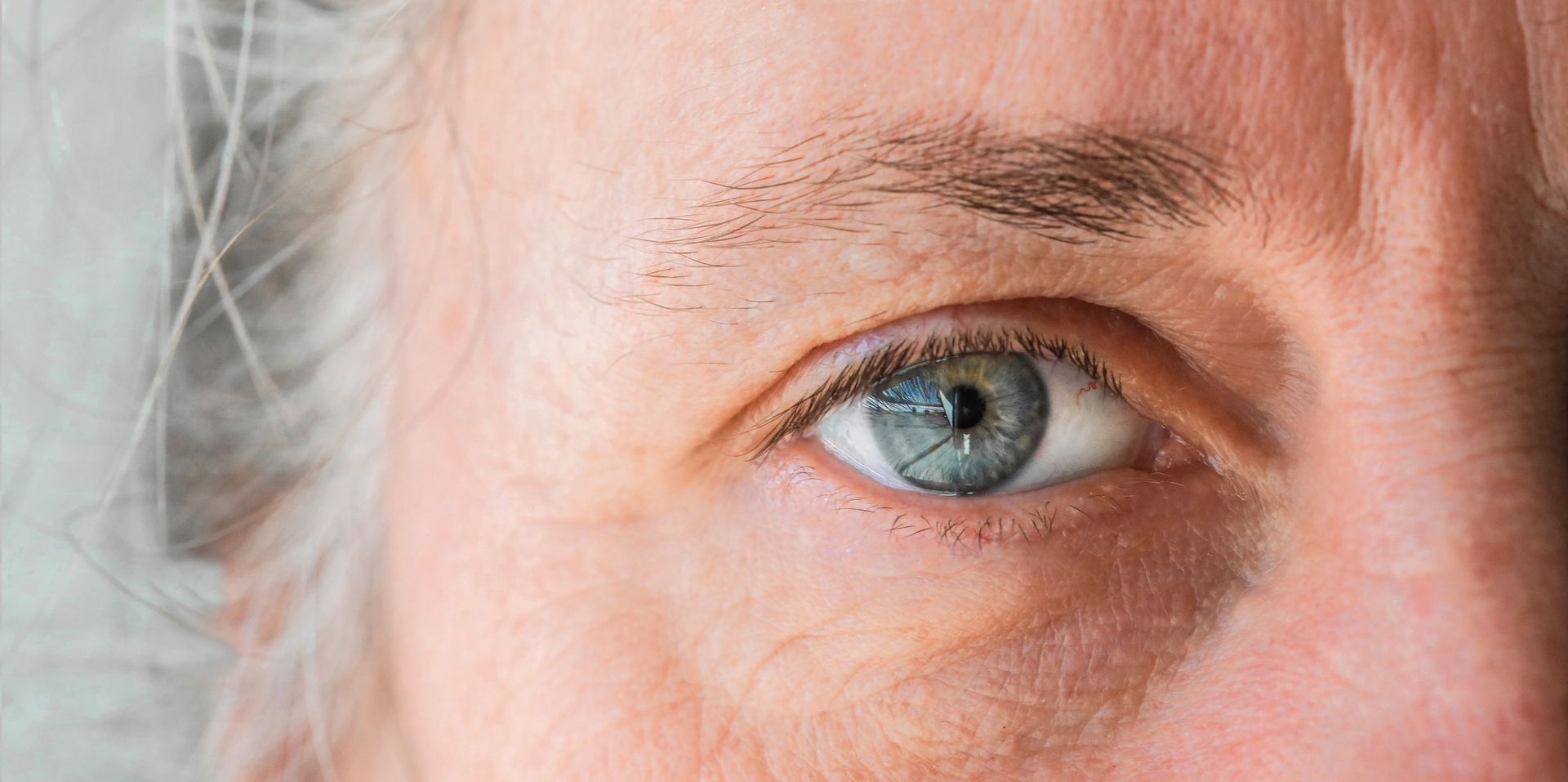
The lens of your eye sits directly behind the pupil and is responsible for focusing light onto the retina. In a healthy eye, this lens is clear and transparent. A cataract occurs when proteins within the lens begin to clump together, causing the lens to become progressively cloudy, yellowed, or opaque.
This cloudiness scatters incoming light rather than focusing it cleanly, resulting in blurred, hazy, or glare-affected vision.
Types of Cataracts
There are several types of cataracts, which can affect different parts of the lens:
Nuclear cataracts: The most common type, affecting the centre of the lens. They typically develop slowly and are associated with ageing. In the early stages, nuclear cataracts can cause a temporary improvement in near vision (sometimes called “second sight”), before vision gradually worsens.
Cortical cataracts: Develop at the outer edges of the lens and grow inward. Strongly associated with UV exposure. Can cause significant glare, particularly when driving at night.
Posterior subcapsular cataracts (PSC): Form at the back of the lens and can progress more rapidly than other types. Often cause significant glare and difficulty in bright light. Can develop at younger ages and are associated with steroid medication use and diabetes.
What Causes Cataracts?
The primary cause is ageing — the natural breakdown of proteins in the lens over time. However, cataracts can develop earlier or progress faster due to:
- UV exposure: Cumulative sun exposure is a significant risk factor, particularly for cortical cataracts
- Diabetes: Both the disease itself and elevated blood sugar accelerate cataract formation
- Corticosteroid medications: Long-term use of steroid eye drops or systemic steroids
- Smoking: Smokers have an elevated risk of cataracts
- Eye trauma or injury
- Previous eye surgery or radiation treatment
- Family history
Common Symptoms of Cataracts
Cataracts develop slowly and symptoms often go unnoticed until they begin to affect daily life. Signs include:
- Blurred, hazy, or foggy vision
- Increased sensitivity to bright light and glare (particularly when driving at night)
- Seeing halos around lights
- Colours appearing faded or yellowed
- Frequent changes in spectacle prescription
- Double vision in one eye
- Difficulty with contrast — for example, reading low-contrast print or seeing steps in dim light
How Are Cataracts Detected?
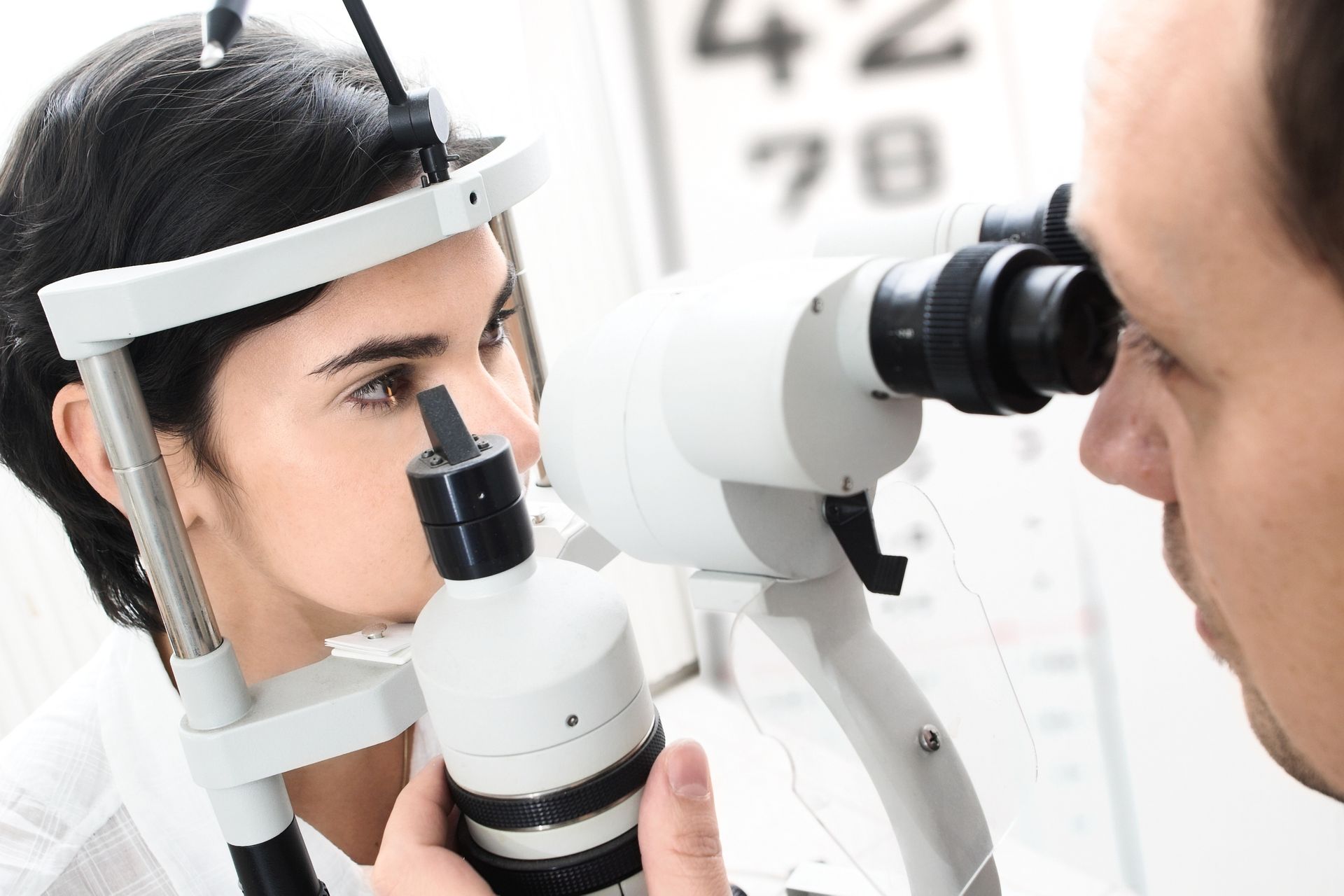
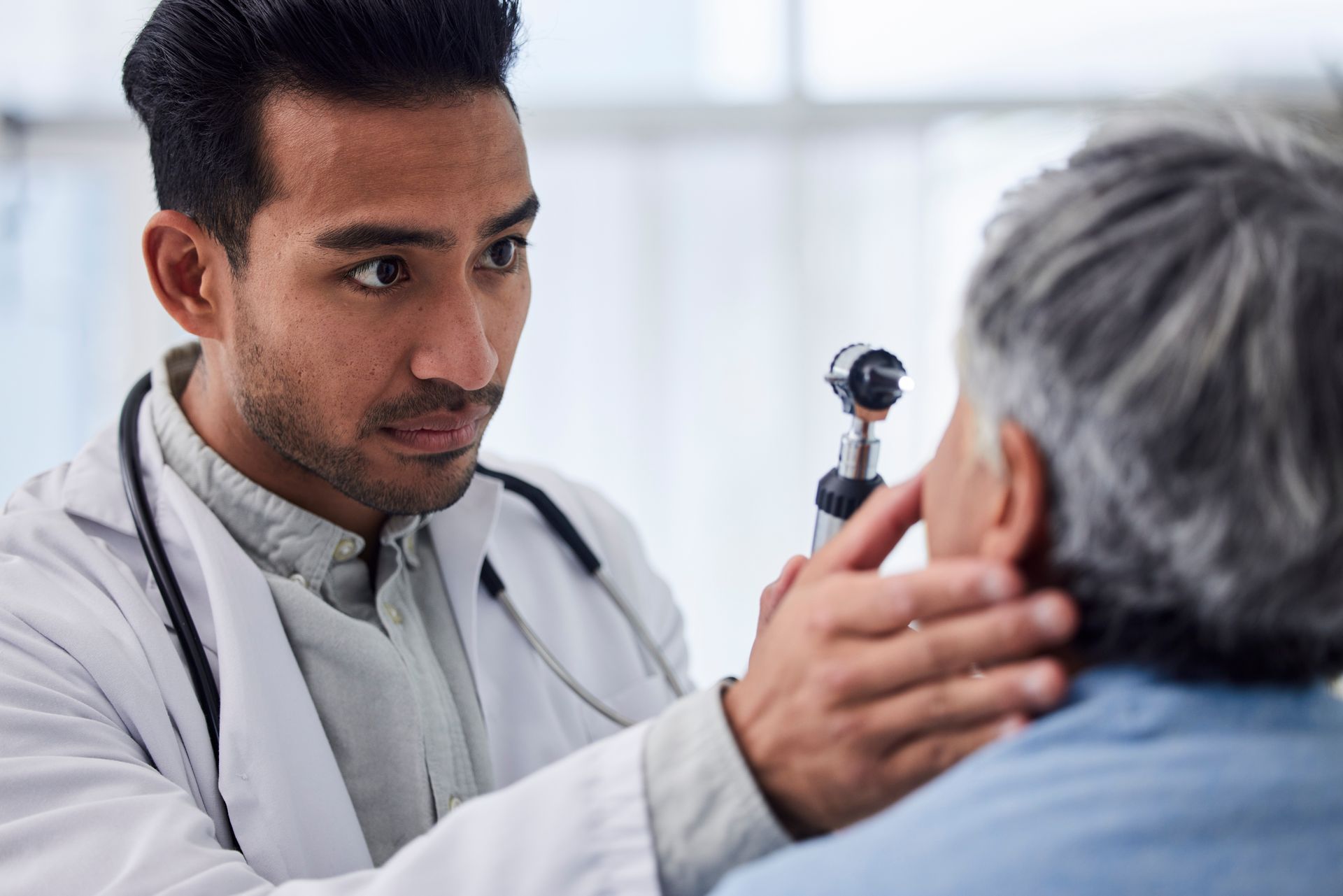
Cataracts are examined as part of every comprehensive eye test at Darling Downs Optometry. Using a slit-lamp (a specialised microscope), we can assess the clarity of the lens, identify the type and location of any cataract, and document its stage.
We may also use digital photography and retinal examination to assess whether the cataract is the sole cause of vision changes, or whether other conditions (such as macular degeneration) may also be contributing.
When Is Treatment Needed?
A cataract doesn’t necessarily need treatment as soon as it’s detected. Early-stage cataracts can often be managed with updated spectacles, improved lighting, and anti-glare measures.
Surgery is generally recommended when the cataract is causing significant functional impairment — meaning it’s affecting your ability to drive, read, work, or live safely and independently. In Australia, cataract surgery is performed by ophthalmologists (eye surgeons) and is one of the most commonly performed and successful surgical procedures in the world.
When we identify a cataract that has reached the point of needing surgery, we will refer you to an appropriate ophthalmologist and discuss what to expect from the referral process.
Can Cataracts Be Prevented?
There’s no guaranteed way to prevent cataracts, but you can reduce your risk and slow progression by:
- Wearing UV-protective sunglasses outdoors (every day, not just on the beach)
- Not smoking
- Managing diabetes carefully
- Maintaining a healthy diet rich in antioxidants (green vegetables, fruit)
- Wearing protective eyewear to avoid eye injury
Book a Cataract Assessment in Toowoomba
If you’re experiencing any of the symptoms described above, or if you haven’t had a comprehensive eye test in the past two years, book an appointment with Darling Downs Optometry.
Call (07) 4638 8828 or visit 355 Ruthven Street, Toowoomba. We bulk bill eligible patients and will give you an honest, thorough assessment of your eye health.
Darling Downs Optometry — 355 Ruthven Street, Toowoomba QLD 4350 —
(07) 4638 8828