Protecting Your Eyes from the Sun in Queensland: A Guide for Toowoomba Residents
Living in Queensland means enjoying more sunny days than most Australians — but it also means greater exposure to ultraviolet (UV) radiation, which can cause serious and cumulative damage to your eyes over time.
At Darling Downs Optometry in Toowoomba, we regularly see the long-term consequences of sun exposure on eye health. The good news is that protecting your eyes is straightforward, affordable, and effective — if you start early enough.
How UV Damages Your Eyes
UV radiation damages the eyes in much the same way it damages skin — through cumulative exposure over a lifetime. The eye is particularly vulnerable because it focuses and concentrates light on the retina.
Conditions strongly linked to UV exposure include:
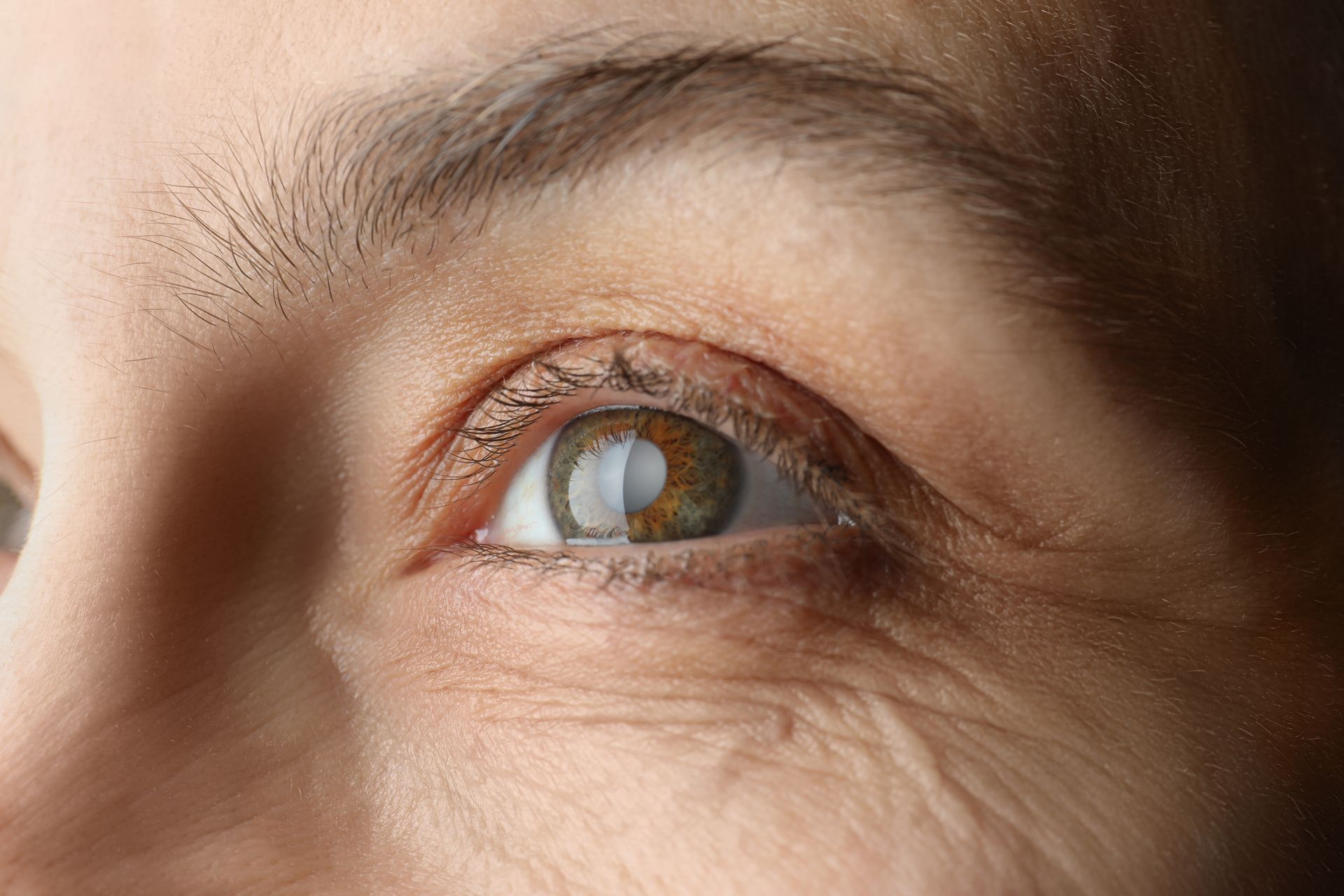
Cataracts The lens of the eye, which sits behind the pupil, can become clouded over time — a condition called a cataract. Cortical cataracts (which develop at the outer edge of the lens) are strongly associated with UV-B exposure. Cataracts are the leading cause of blindness worldwide and affect the majority of Australians over 65 to some degree.
Macular degeneration Cumulative UV and high-energy visible (HEV) light exposure is considered a risk factor for age-related macular degeneration, the leading cause of vision loss in older Australians.
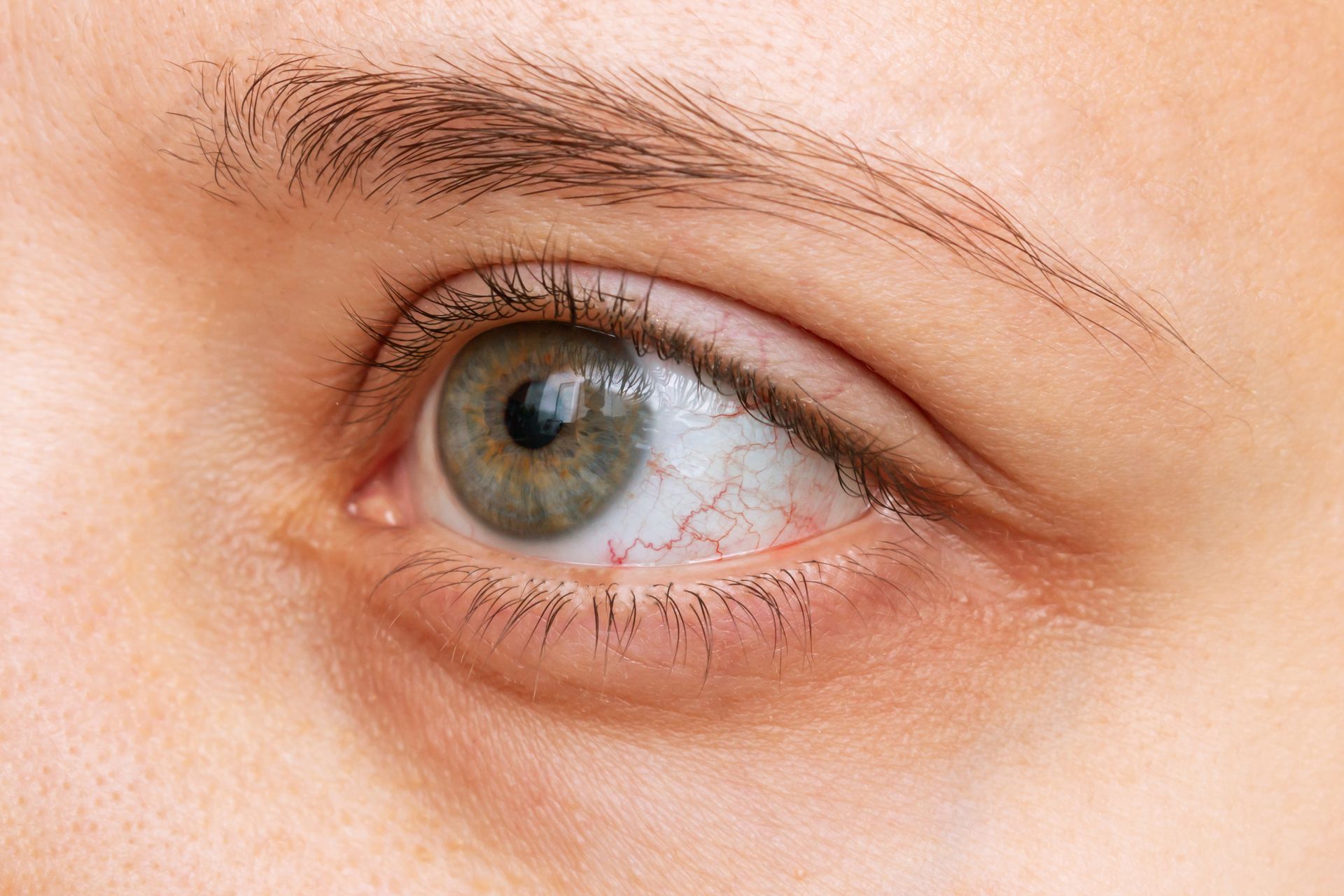
Pterygium A fleshy, wedge-shaped growth on the white of the eye that can extend onto the cornea. More common in people who spend significant time outdoors. Toowoomba and surrounding rural areas have elevated rates of pterygium due to outdoor lifestyles. Can cause irritation, redness, and distorted vision if it grows across the cornea.
Photokeratitis An acute, painful sunburn of the cornea — sometimes called “snow blindness” or “welder’s flash.” Symptoms include intense pain, sensitivity to light, and watering. Can occur after sun exposure on water, snow, or highly reflective surfaces. Resolves within a few days but is very uncomfortable.
Eyelid skin cancers The eyelid is a common site for basal cell carcinoma and squamous cell carcinoma due to cumulative sun exposure. Any persistent lump, sore, or change to the eyelid skin should be assessed.
UV in Queensland: What You Need to Know
Australia has some of the highest UV levels in the world, and inland Queensland — including Toowoomba and the Darling Downs — is no exception. UV levels can be damaging for much of the year, including on overcast days (clouds block visible light but not UV effectively).
UV damage is cumulative. Even if you’re not spending hours on the beach, the daily accumulation of UV during driving, gardening, and outdoor activities adds up significantly over a lifetime. Children are especially vulnerable — the lens of a child’s eye transmits more UV than an adult’s.
Choosing the Right Sunglasses
Not all sunglasses provide adequate UV protection. Here’s what to look for:
UV protection rating Sunglasses sold in Australia must comply with AS/NZS 1067:2016. Look for lenses rated Category 2, 3, or 4. Category 3 is suitable for most outdoor activities; Category 4 is for very high-glare environments like snow or water but is too dark for driving.
The lens rating must state UV400 protection — meaning the lens blocks all UV up to 400 nanometres. Lens darkness or colour has no relationship with UV protection — a light lens can provide full UV400 protection, while a dark lens without the right coating may not.
Wraparound frames The sides of the eye receive UV exposure too. Wraparound or close-fitting frames provide better all-round protection than standard styles with open sides.
Polarised lenses Polarisation reduces glare from reflective surfaces (water, roads, wet surfaces) but doesn’t affect UV protection. Highly useful for driving or water activities, but separate from UV blocking.
Prescription Sunglasses and Transition Lenses
If you wear prescription glasses, you have several options for sun protection:
Prescription sunglasses: Purpose-made sunglass frames with your prescription in a tinted UV-protective lens. The most effective and comfortable option for outdoor use.
Transition (photochromic) lenses: Lenses that darken automatically in UV light and return to clear indoors. Convenient for everyday use. Note that they don’t darken as effectively inside cars (windscreens block UV), so they’re not a substitute for sunglasses while driving.
Clip-on or magnetic sun attachments: A lower-cost option, though coverage of the sides of the eye is more limited than a wraparound frame.
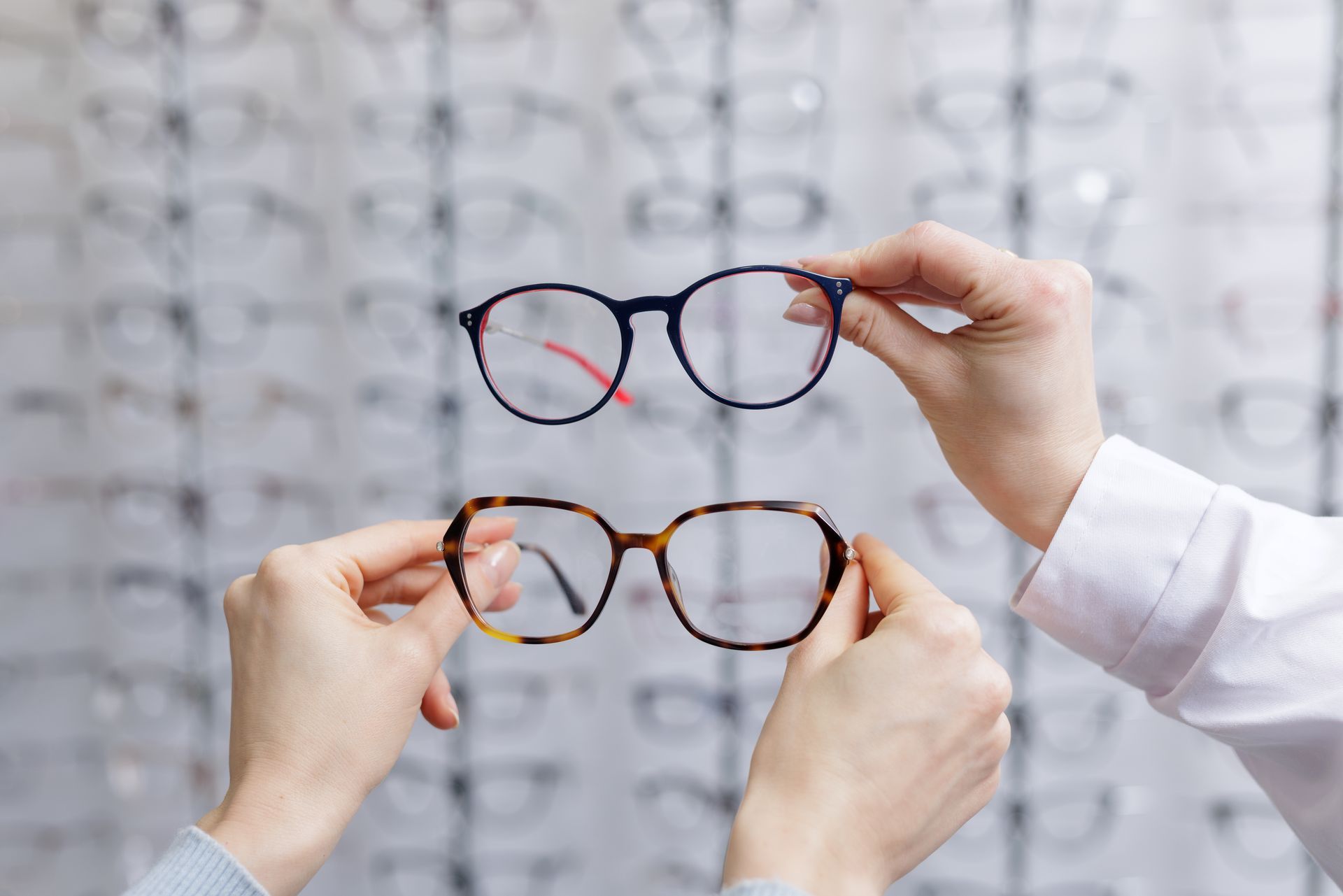
We stock a wide range of prescription sunglass frames and lenses at Darling Downs Optometry, including polarised options.
What About Children?
Children’s eyes transmit more UV to the retina than adult eyes — making sun protection for children especially important. Wide-brim hats and UV-rated sunglasses should be part of every child’s outdoor kit. Look for wraparound children’s frames with a Category 3 rating.
Book an Eye Health Check in Toowoomba
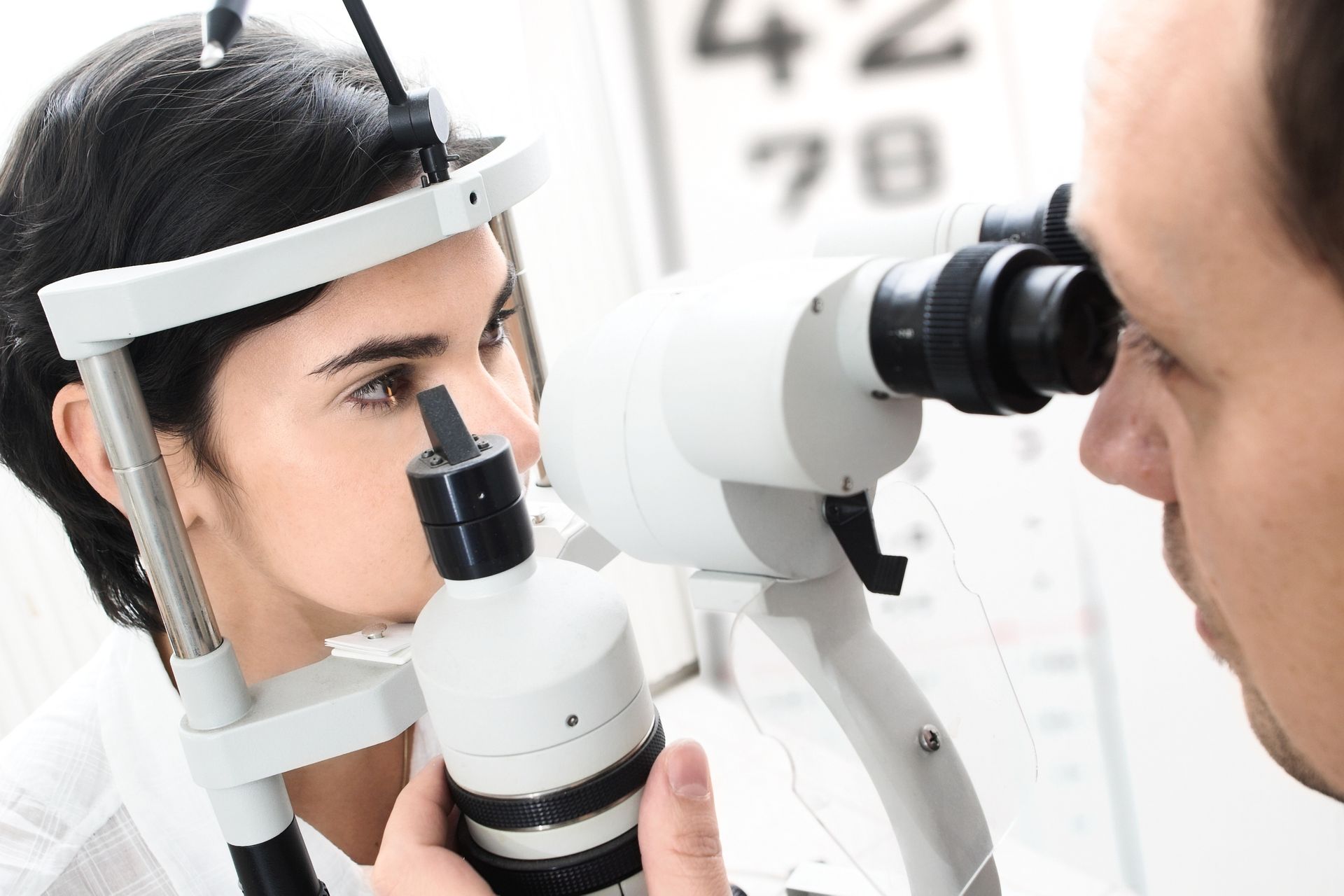
If you’re concerned about the effects of sun exposure on your eyes — or if you’ve noticed any changes to your eyelids, the surface of your eye, or your vision — book a comprehensive eye test with Darling Downs Optometry.
Call (07) 4638 8828 or visit us at 355 Ruthven Street, Toowoomba. We bulk bill eligible patients and can advise you on the right sun protection for your lifestyle.
Darling Downs Optometry — 355 Ruthven Street, Toowoomba QLD 4350 —
(07) 4638 8828