Macular Degeneration: What Toowoomba Residents Need to Know
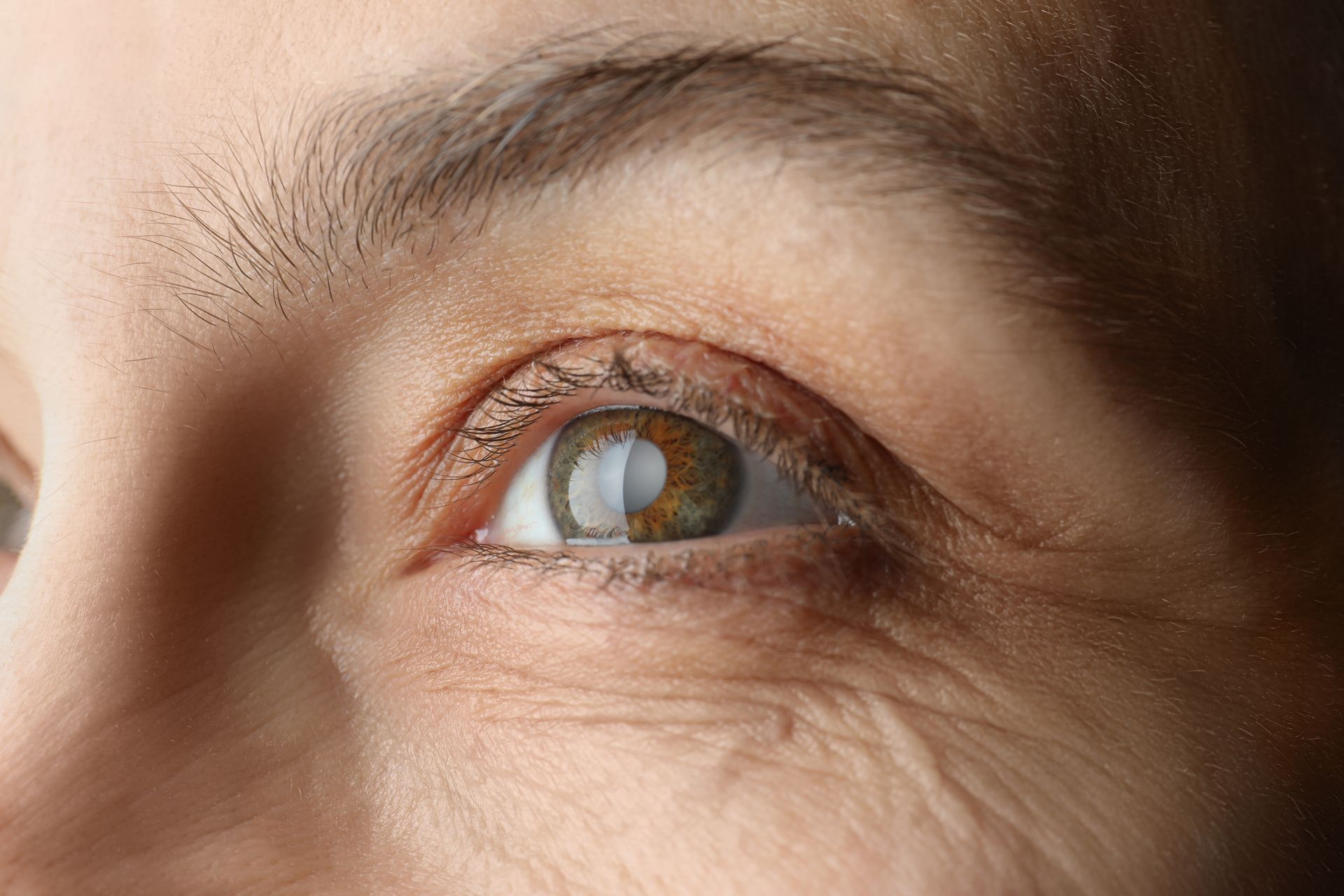
Age-related macular degeneration (AMD) is the leading cause of severe vision loss and blindness in Australians over 50. It affects the macula — the central part of the retina responsible for sharp, detailed vision — and can make everyday tasks like reading, recognising faces, and driving increasingly difficult.
Understanding AMD, its risk factors, and the importance of early detection is the first step in protecting your vision. At Darling Downs Optometry in Toowoomba, we offer comprehensive macular assessment as part of every eye health examination.
What Is the Macula?
The macula is a small, highly specialised area near the centre of the retina. It contains the highest concentration of photoreceptors (cells that respond to light) and is responsible for fine central vision — the sharp, detailed sight you use for reading, sewing, watching television, and seeing faces clearly.
Damage to the macula doesn’t cause total blindness, but it destroys central vision while peripheral (side) vision typically remains. This can be profoundly disabling for daily life.
Types of Age-Related Macular Degeneration
Dry AMD (atrophic) The most common form, accounting for around 85–90% of cases. It progresses slowly as light-sensitive cells in the macula gradually deteriorate. Yellowish deposits called drusen accumulate beneath the retina. Vision loss is usually gradual.
Wet AMD (neovascular) Less common but responsible for the majority of severe vision loss. Abnormal new blood vessels grow beneath the retina and leak fluid or blood, causing rapid and significant central vision loss. Wet AMD requires urgent treatment.
Who Is at Risk?
Risk factors for AMD include:
- Age: Risk increases substantially over 50, with the highest rates in those over 70
- Family history: Having a first-degree relative with AMD significantly increases risk
- Smoking: The most significant modifiable risk factor — smokers are 3–4 times more likely to develop AMD
- Fair skin and light-coloured eyes
- Sun exposure: Cumulative UV exposure over a lifetime is a risk factor
- Cardiovascular disease and high blood pressure
- Poor diet: Low intake of vegetables, fruit, and antioxidants
Early Warning Signs
In its early stages, AMD often causes no symptoms. As it progresses, warning signs may include:
- Blurry or fuzzy vision in the centre of your sight
- Straight lines appearing wavy or distorted (use an Amsler grid to check)
- A dark, blurry, or blank spot in the centre of your vision
- Colours appearing less vivid
- Difficulty reading or recognising faces even with glasses
If you notice any of these changes, book an urgent appointment with us immediately. For wet AMD in particular, early treatment is critical to preserving vision.
How Is AMD Detected and Monitored?
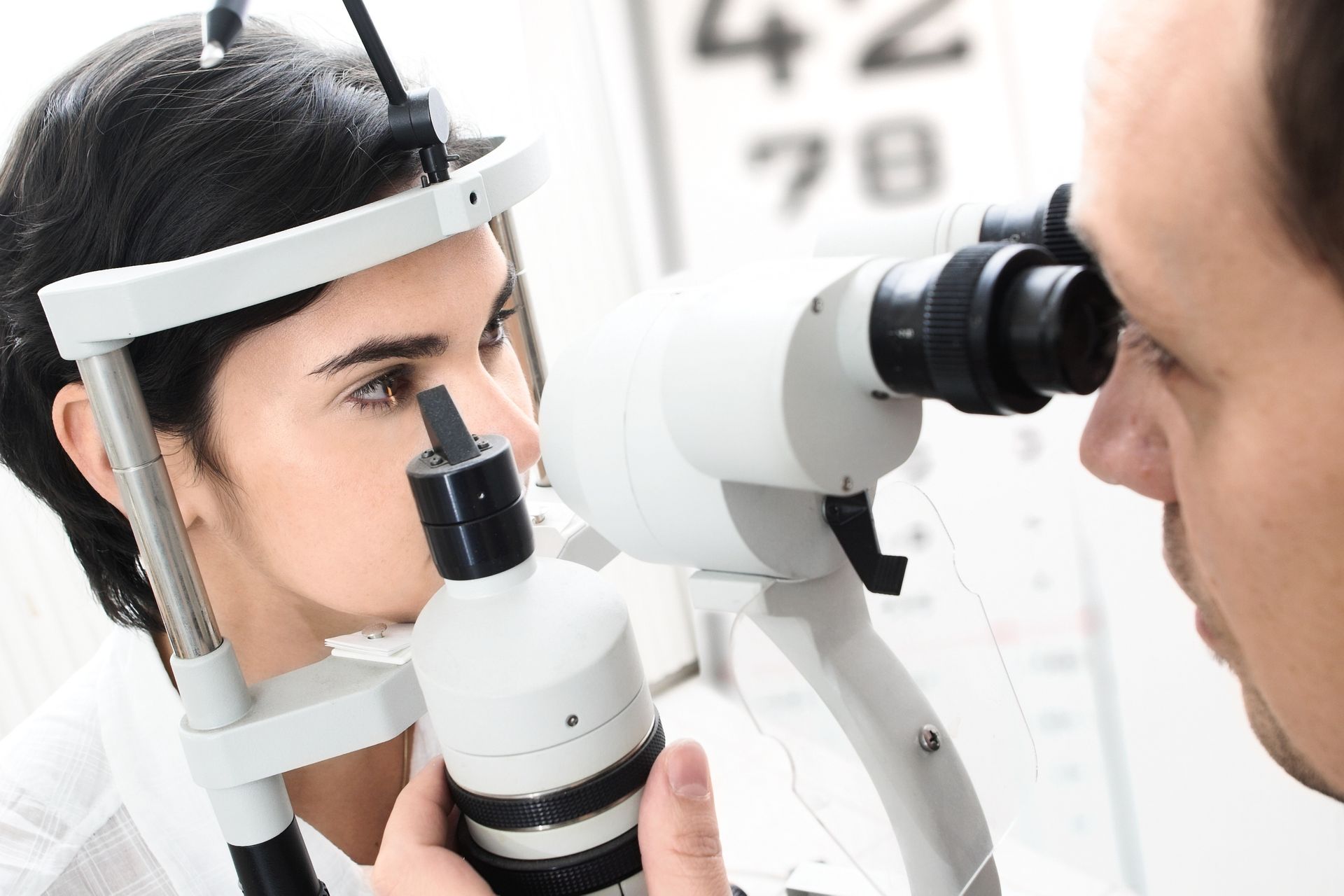
At Darling Downs Optometry, we use:
Optical Coherence Tomography (OCT): The gold standard for AMD detection and monitoring. OCT can detect subtle fluid accumulation and structural changes in the macula before symptoms occur.
Digital Retinal Photography: Provides a high-resolution photographic record of the macula that allows comparison over time to detect any changes.
Amsler Grid Testing: A simple grid-based test that can detect distortion in central vision associated with AMD progression.
Fundus examination: Direct examination of the retina using ophthalmoscopy to assess the macula and surrounding structures.
Treatment Options
Dry AMD: There is currently no medical treatment to reverse dry AMD, but progression can be slowed. High-dose antioxidant supplements (based on the AREDS2 formula) have been shown to reduce risk of progression to advanced AMD in eligible patients. Lifestyle changes — stopping smoking, protecting eyes from UV, improving diet — are also important.
Wet AMD: Treatment with anti-VEGF injections (injected into the eye) can stop or reverse the growth of abnormal blood vessels. Prompt treatment is essential and results are significantly better when AMD is caught early.
We work closely with ophthalmologists in Toowoomba and across Queensland to ensure rapid referral when wet AMD is detected.
Protecting Your Vision
You can reduce your risk of AMD by:
- Not smoking (or quitting)
- Wearing UV-protective sunglasses outdoors
- Eating a diet rich in leafy green vegetables, fish, and colourful fruit
- Managing blood pressure and cardiovascular health
- Having regular eye tests — at least every two years from age 50, and annually if you have risk factors
Book an AMD Check in Toowoomba
Call Darling Downs Optometry on (07) 4638 8828 to book a comprehensive eye test including macular assessment. We’re at 355 Ruthven Street, Toowoomba and bulk bill eligible patients for the examination.
Darling Downs Optometry — 355 Ruthven Street, Toowoomba QLD 4350 —
(07) 4638 8828