Progressive Lenses in Toowoomba: Are They Right for You?
If you’re over 40 and finding that you need to hold your phone further away to read it, or that your arms are “too short” for the dinner menu, you’re experiencing presbyopia — the natural loss of near focusing ability that comes with age. It affects virtually everyone eventually.
Progressive lenses are one of the most popular and effective solutions, offering clear vision at all distances without the visible line of traditional bifocals. At Darling Downs Optometry in Toowoomba, we fit progressive lenses regularly and can guide you through the options to find the best match for your lifestyle.
What Are Progressive Lenses?
Progressive lenses — also known as no-line multifocals or varifocals — contain multiple prescriptions within a single lens. The top of the lens is optimised for distance vision, the middle for intermediate distances (computer screens, dashboards), and the bottom for near tasks like reading.
The prescription changes gradually across the lens, which is why there’s no visible line. The transition between zones is seamless — which takes a little getting used to, but becomes natural within a few days for most wearers.
Who Needs Progressive Lenses?
Progressive lenses are typically recommended for people who:
- Are presbyopic (usually from their early-to-mid 40s onward)
- Already wear distance glasses but are now struggling with near vision
- Want a single pair of glasses that handles all viewing distances
- Want to avoid the visible line of traditional bifocal lenses
They’re also available as progressive reading glasses (without a distance correction) for people who don’t normally wear distance glasses but need help at near and intermediate distances.
Progressive vs. Single Vision vs. Bifocal — What’s the Difference?
Single vision lenses have one prescription across the entire lens. They correct for either distance or near, but not both.
Bifocal lenses have two distinct prescription zones — typically distance at the top and reading at the bottom — separated by a visible line.
Progressive lenses have a seamless gradient from distance to near, with an intermediate zone in between. No visible line.
Reading glasses are single vision lenses set for close work only. They must be removed for distance vision.
For most active adults who need correction for both distance and near, progressive lenses offer the most versatile and aesthetically natural solution.
Adapting to Progressive Lenses
Some people adapt to progressive lenses within a day or two. Others take up to two weeks. The adaptation period typically involves:
- Learning to move your head (rather than just your eyes) to find the appropriate lens zone
- Getting used to peripheral distortion in the early days — the sides of progressive lenses have some blur due to the optical design
- Finding the right head position for different tasks (slightly down for reading, straight ahead for distance)
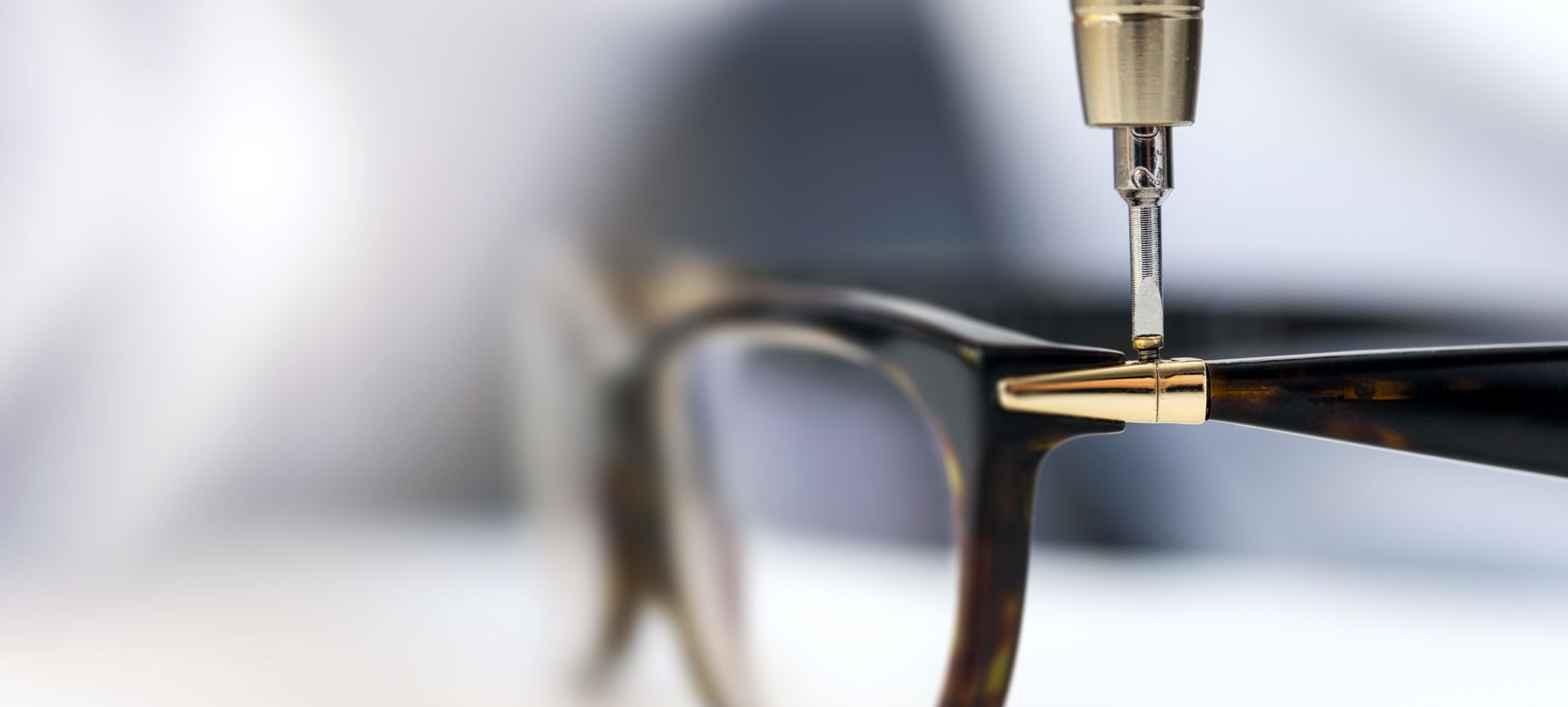
If after two to three weeks you’re still struggling significantly, come back and see us. Sometimes the issue is the frame fit, the height of the fitting, or the type of lens design — all of which can be adjusted.
Premium vs. Standard Progressive Lenses
Not all progressive lenses are equal. There is a significant difference in quality between entry-level and premium designs:
Standard progressives have a narrower corridor (the usable viewing area) and more peripheral distortion. They require more head movement and take longer to adapt to.
Premium or customised progressives use digital surfacing technology to create a wider corridor with less distortion, tailored to the specific frame and how you position your head. They’re more comfortable, easier to adapt to, and provide better vision across all zones.
We’ll discuss the options with you honestly, including costs, and help you choose the right lens for your prescription complexity and lifestyle.
Frame Choice Matters for Progressives
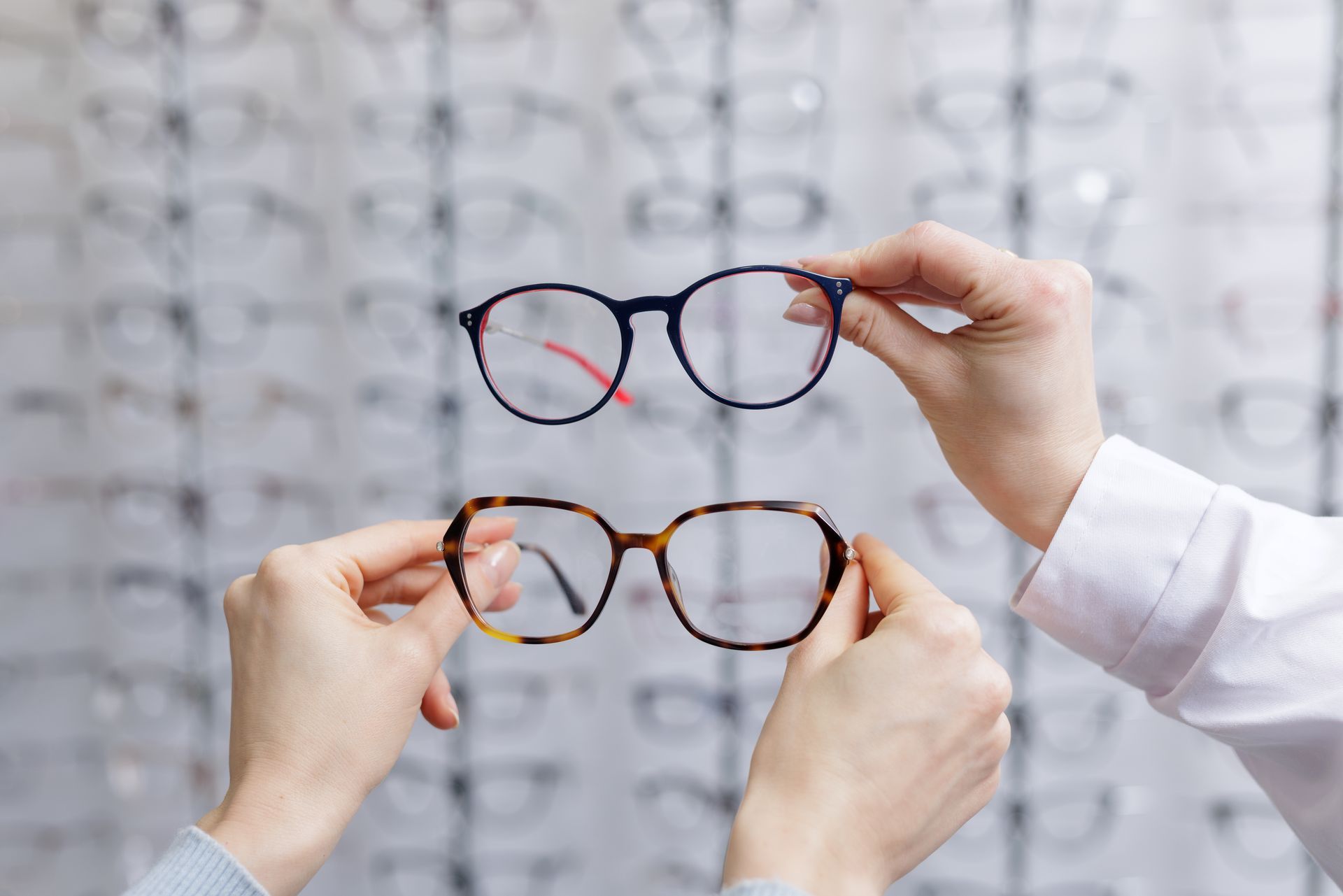
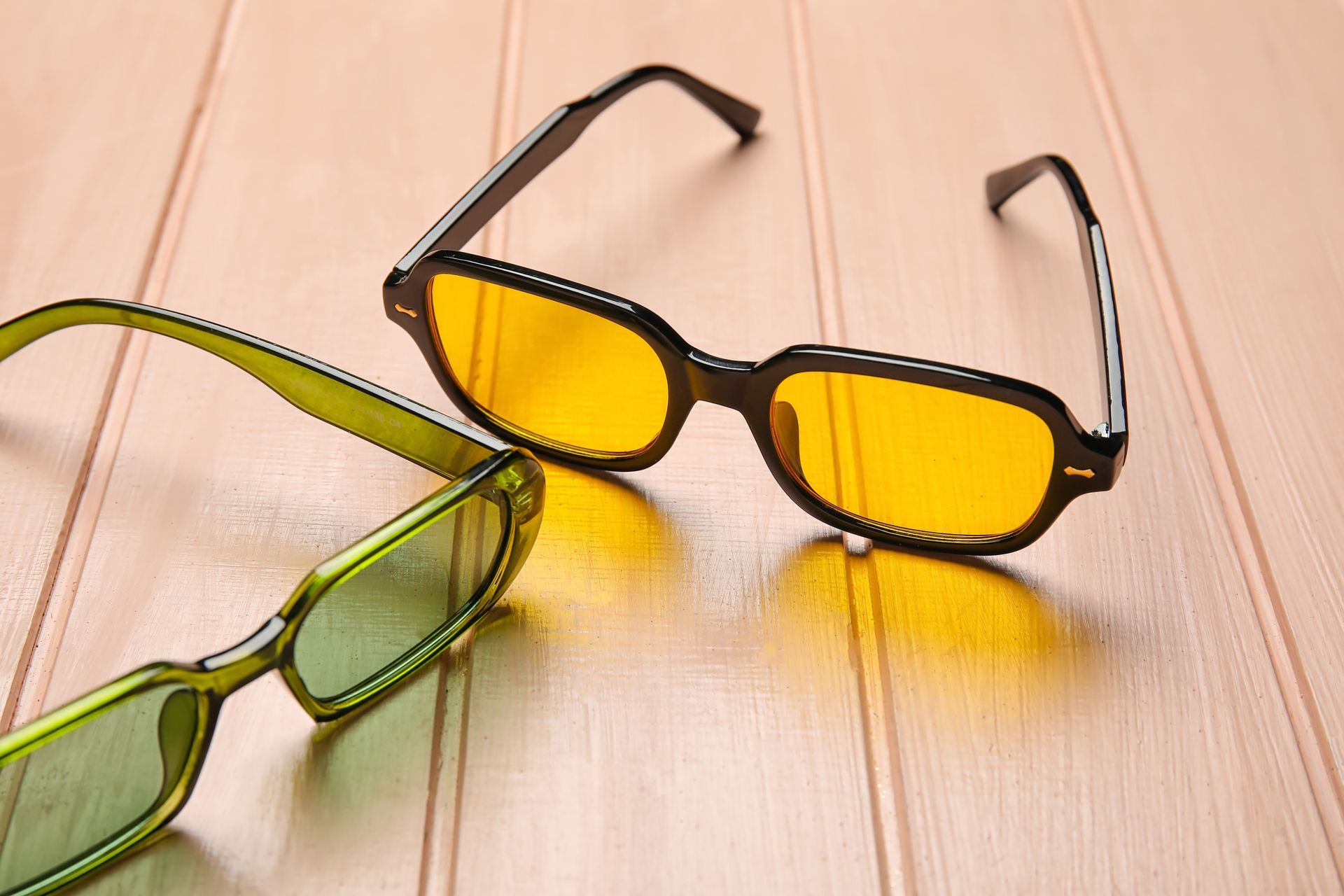
Not every frame is suitable for progressive lenses. To fit all three zones effectively, the lens needs adequate vertical height — typically at least 28–30mm. Very small or narrow frames may not work well with progressives.
Our optical dispensing team will guide you through frame selection with this in mind, so you don’t end up with a beautiful frame that doesn’t work with your lens prescription.
Book a Progressive Lens Consultation in Toowoomba
If you think progressive lenses might be right for you — or if you’ve tried them elsewhere and had trouble adapting — we’d love to help. Call Darling Downs Optometry on (07) 4638 8828 or visit us at 355 Ruthven Street, Toowoomba.
We have over 600 frames in-store and our experienced optical dispensers will take the time to find the right combination of lens and frame for your needs.
Darling Downs Optometry — 355 Ruthven Street, Toowoomba QLD 4350 —
(07) 4638 8828