How Often Should You Get Your Eyes Tested? A Complete Guide for Toowoomba Residents
One of the questions we hear most often at Darling Downs Optometry is: “How often do I actually need to get my eyes tested?” The honest answer is that it depends — on your age, your eye health history, your general health, and whether any eye conditions have been detected previously.
Here’s a practical guide to eye test frequency for Toowoomba patients of all ages and backgrounds.
General Recommendations by Age
Children under 5 We recommend at least one eye test before starting school. Vision problems detected early — such as amblyopia (lazy eye), strabismus (eye turn), or significant prescriptions — are far easier to treat in young children than later.
School-age children (5–18) Annually if an eye condition has been identified or there is a family history of eye disease. Every two years for children with no identified concerns. Any time a parent or teacher notices signs of vision difficulty.
Young adults (18–40) Every two years for those with no symptoms and no identified risk factors. Annually if you wear glasses or contact lenses, or if you work in a visually demanding profession. Sooner if you notice any change in your vision.
Adults (40–65) Every two years is the general recommendation. From around 40, presbyopia (difficulty with close focus) becomes increasingly common, and the risk of conditions like glaucoma and macular degeneration begins to rise. Many people also benefit from their first pair of reading glasses or progressive lenses around this time.
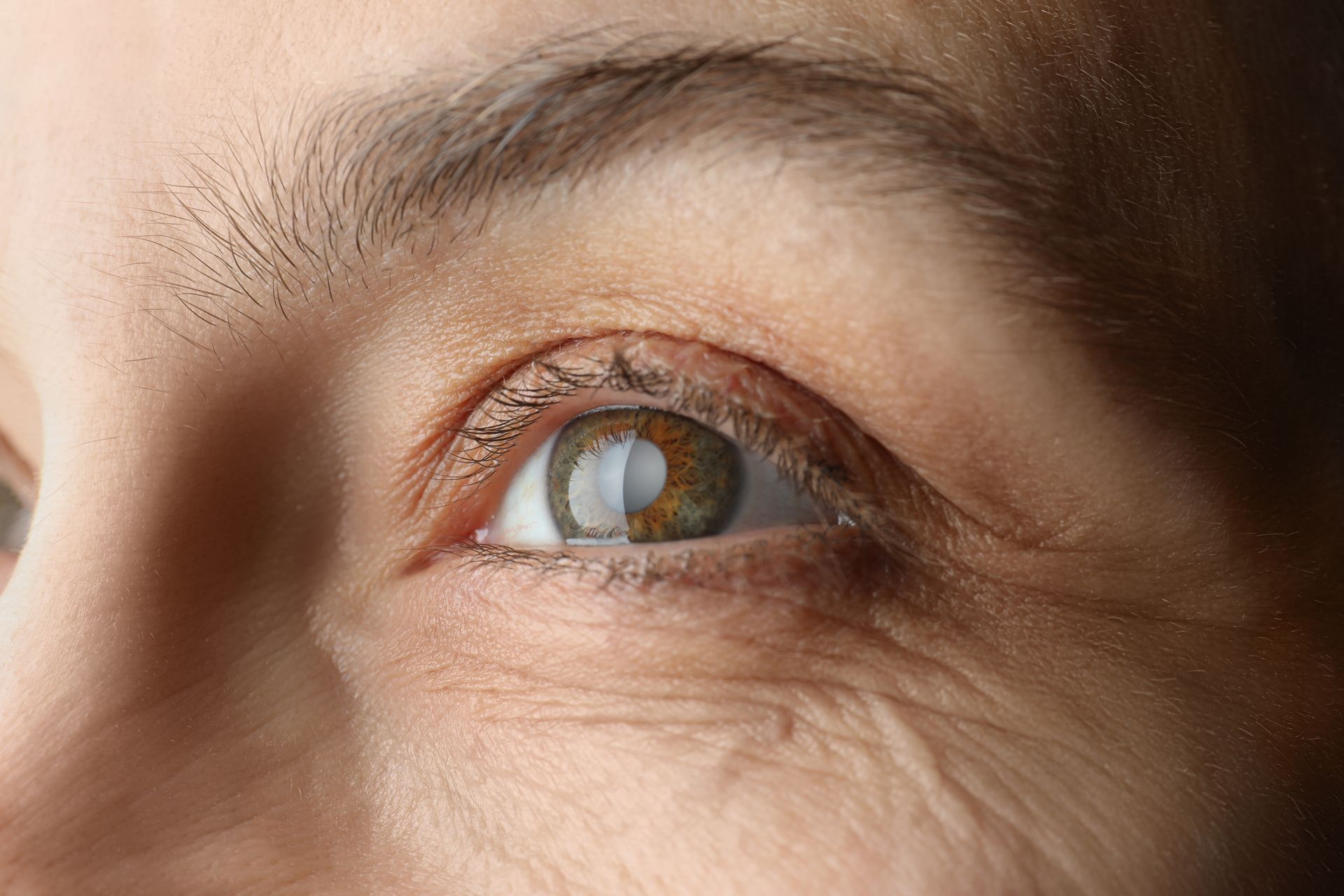
Older adults (65 and over) Annually. The risk of age-related eye conditions — including glaucoma, macular degeneration, cataracts, and diabetic retinopathy — increases significantly with age. Older Australians are also eligible for annual Medicare-funded eye tests.
Medicare Frequency Limits
Medicare funds a comprehensive eye examination at the following intervals:
- General adults: Once every three years
- Children under 15: Once every 12 months
- Adults over 65: Once every 12 months
- Patients with specific risk factors (diabetes, family history of glaucoma, etc.): Once every 12 months
Bulk billing means the examination is covered in full with no out-of-pocket cost for eligible patients. If you’ve recently moved to Toowoomba or haven’t confirmed your Medicare eligibility, our reception team can assist you.
Conditions That Require More Frequent Testing
Certain health conditions and circumstances mean your eyes should be monitored more closely than average:
Diabetes: Annual comprehensive eye tests are strongly recommended. Diabetic retinopathy can develop and progress without any symptoms.
Glaucoma or family history of glaucoma: Once diagnosed, glaucoma requires monitoring every 6–12 months depending on stability. First-degree relatives of glaucoma patients are entitled to annual Medicare-funded tests.
Macular degeneration: Once diagnosed, regular monitoring (often using OCT imaging) is essential to detect any progression — particularly the change from dry to wet AMD, which requires urgent treatment.
High myopia: Very short-sighted patients have an elevated risk of retinal complications and should be reviewed annually.
Contact lens wear: Annual review is advisable to check ocular health and ensure the prescription and lens type remain appropriate.
Pregnancy: Hormonal changes can temporarily affect vision and prescription. Many optometrists recommend a check during or shortly after pregnancy.
Following systemic disease or medication changes: Some medications (including hydroxychloroquine, used for lupus and rheumatoid arthritis) can affect the retina. Let us know if you’ve started any new long-term medications.
Signs You Should Book Sooner
Don’t wait for your scheduled appointment if you experience:
- Sudden or gradual changes in vision
- New floaters, flashing lights, or a shadow in your vision (see a clinician urgently)
- Eye pain or persistent redness
- Double vision
- Headaches related to your eyes or reading
- Difficulty with night driving
- Any impact or injury to the eye
Book Your Eye Test in Toowoomba Today
Whether you’re due for a routine check or have specific concerns about your vision, Darling Downs Optometry is here to help. We offer bulk billing for eligible patients, comprehensive eye health assessments, and access to advanced diagnostic technology including OCT imaging.
Call us on
(07) 4638 8828 or book online. We’re at
355 Ruthven Street, Toowoomba, with Saturday morning appointments available for those who can’t make it during the week.
Darling Downs Optometry — 355 Ruthven Street, Toowoomba QLD 4350 —
(07) 4638 8828