Diabetic Eye Disease in Toowoomba: Why Diabetes Patients Need Annual Eye Tests
If you have diabetes — whether type 1, type 2, or gestational — your eyes are at risk. Diabetic retinopathy is one of the leading causes of preventable blindness in working-age Australians, yet in its early stages it causes no symptoms at all.
Annual eye tests are a critical part of diabetes management, and at Darling Downs Optometry in Toowoomba, we provide thorough monitoring of diabetic eye changes using advanced imaging technology.
What Is Diabetic Retinopathy?
Diabetic retinopathy occurs when high blood sugar levels damage the small blood vessels in the retina — the light-sensitive tissue at the back of the eye. Over time, these damaged vessels can leak, bleed, or grow abnormally, leading to distorted or lost vision.
There are two main stages:
Non-proliferative diabetic retinopathy (NPDR): The early stage, characterised by tiny bulges (microaneurysms) in blood vessel walls, leakage of fluid or blood, and swelling of the macula. Many people have no symptoms at this stage.
Proliferative diabetic retinopathy (PDR): The advanced stage, where new abnormal blood vessels grow across the retina and into the vitreous gel. These fragile vessels can bleed heavily, causing sudden vision loss or leading to retinal detachment.
Diabetic macular oedema — swelling of the central retina — can occur at any stage and is the most common cause of vision loss in people with diabetes.
How Is Diabetic Eye Disease Monitored?
At Darling Downs Optometry, we use several tools to monitor retinal health in diabetic patients:
Digital Retinal Photography: High-resolution photographs of the retina that can detect early signs of diabetic change and provide a baseline for comparison over time.
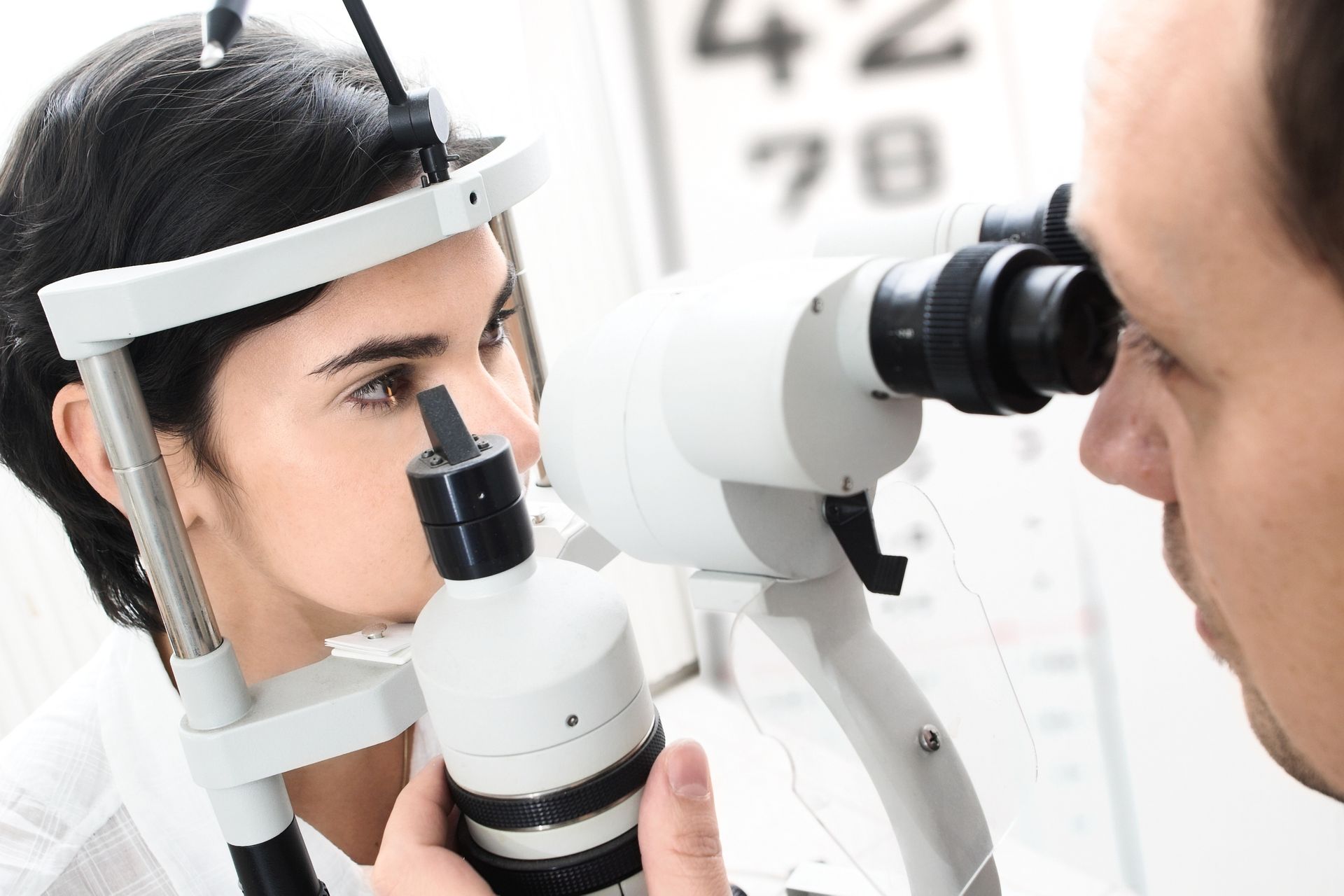
Optical Coherence Tomography (OCT): Produces cross-sectional images of the retina, allowing us to detect even subtle macular swelling before it affects your vision.
Dilated fundus examination: In some cases, dilating drops are used to widen the pupil for a more thorough view of the peripheral retina.
These tests are pain-free and take only a few minutes each.
How Often Should Diabetes Patients Have Eye Tests?
People with diabetes are eligible for annual Medicare-funded eye tests. We recommend:
- Annually for all patients with diagnosed diabetes
- More frequently if diabetic changes have been detected or are progressing
- At diagnosis — if you've been recently diagnosed with diabetes and haven't had a comprehensive eye test, book one as soon as possible
What Happens If Changes Are Detected?
If we detect early diabetic retinopathy, we will monitor the changes closely and liaise with your GP or endocrinologist regarding blood sugar management. Tight control of blood glucose, blood pressure, and cholesterol is the most effective way to slow diabetic retinal damage.
For more advanced changes or diabetic macular oedema, we will refer you promptly to a retinal specialist for assessment and treatment, which may include laser therapy, intravitreal injections, or surgery.
Other Eye Conditions Linked to Diabetes
People with diabetes are also at higher risk of:
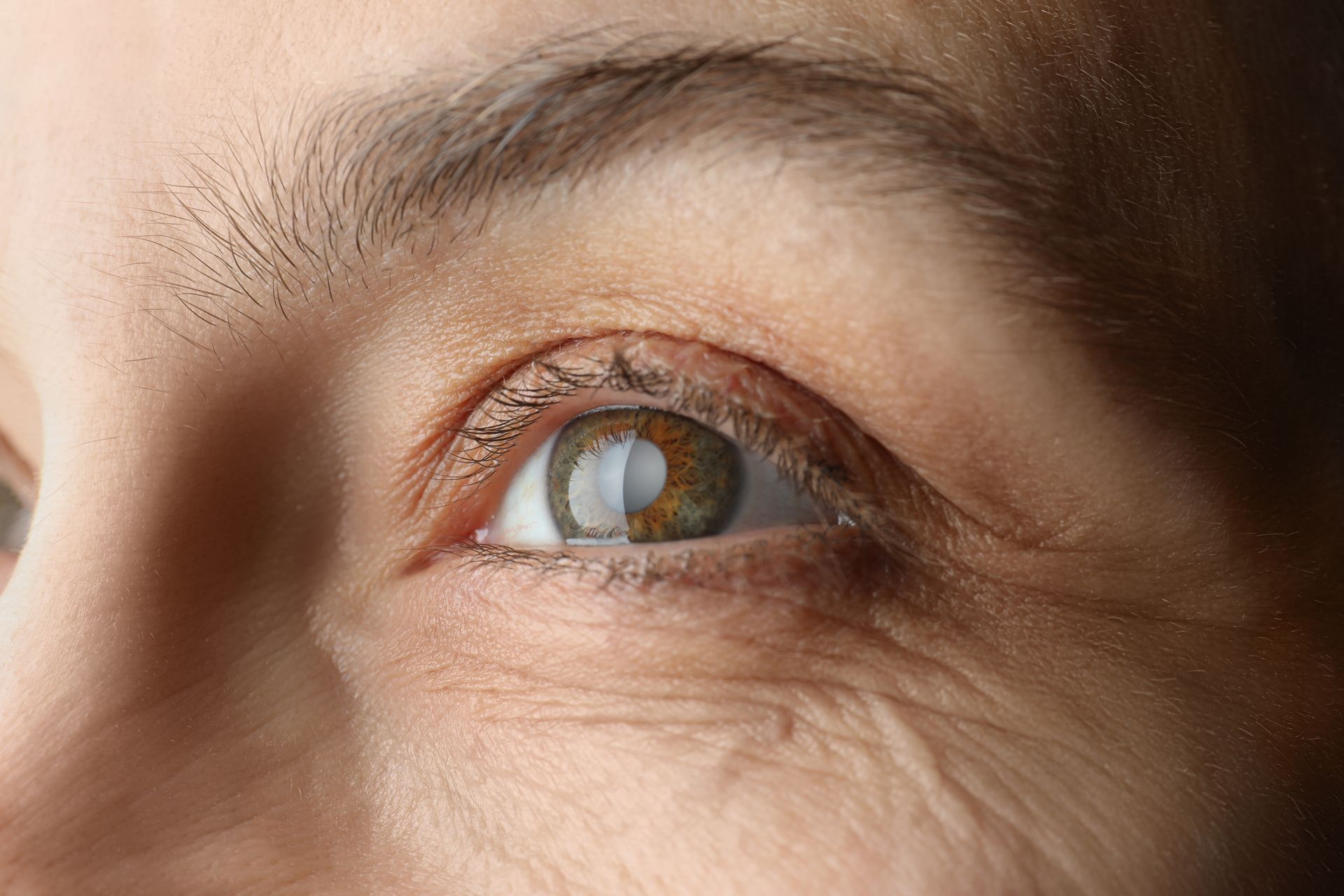
- Cataracts — often developing at a younger age than in the general population
- Glaucoma — diabetes roughly doubles the risk of developing glaucoma
- Changes in prescription — blood sugar fluctuations can cause short-term changes in vision and spectacle prescription
This is another reason a comprehensive annual eye examination — not just a retinal check — is important for patients with diabetes.
Book Your Annual Diabetic Eye Test in Toowoomba
Don't leave your eye health to chance. Call Darling Downs Optometry on (07) 4638 8828 to book your annual diabetes eye examination. We bulk bill eligible patients and are located at 355 Ruthven Street, Toowoomba.
We also work closely with GPs and diabetes care teams across the Darling Downs to ensure your eye care is coordinated with your broader diabetes management.
Darling Downs Optometry — 355 Ruthven Street, Toowoomba QLD 4350 —
(07) 4638 8828