Glaucoma Testing in Toowoomba: What It Is, Who's at Risk, and Why Early Detection Saves Sight
Glaucoma is often called the "silent thief of sight" — and for good reason. In most cases, it causes no pain, no visible symptoms, and no warning signs until significant, irreversible vision loss has already occurred. By the time many people notice something is wrong, a large portion of their peripheral vision is already gone.
The good news is that glaucoma is detectable during a routine eye test — and with early treatment, most people retain their useful vision for life.
What Is Glaucoma?
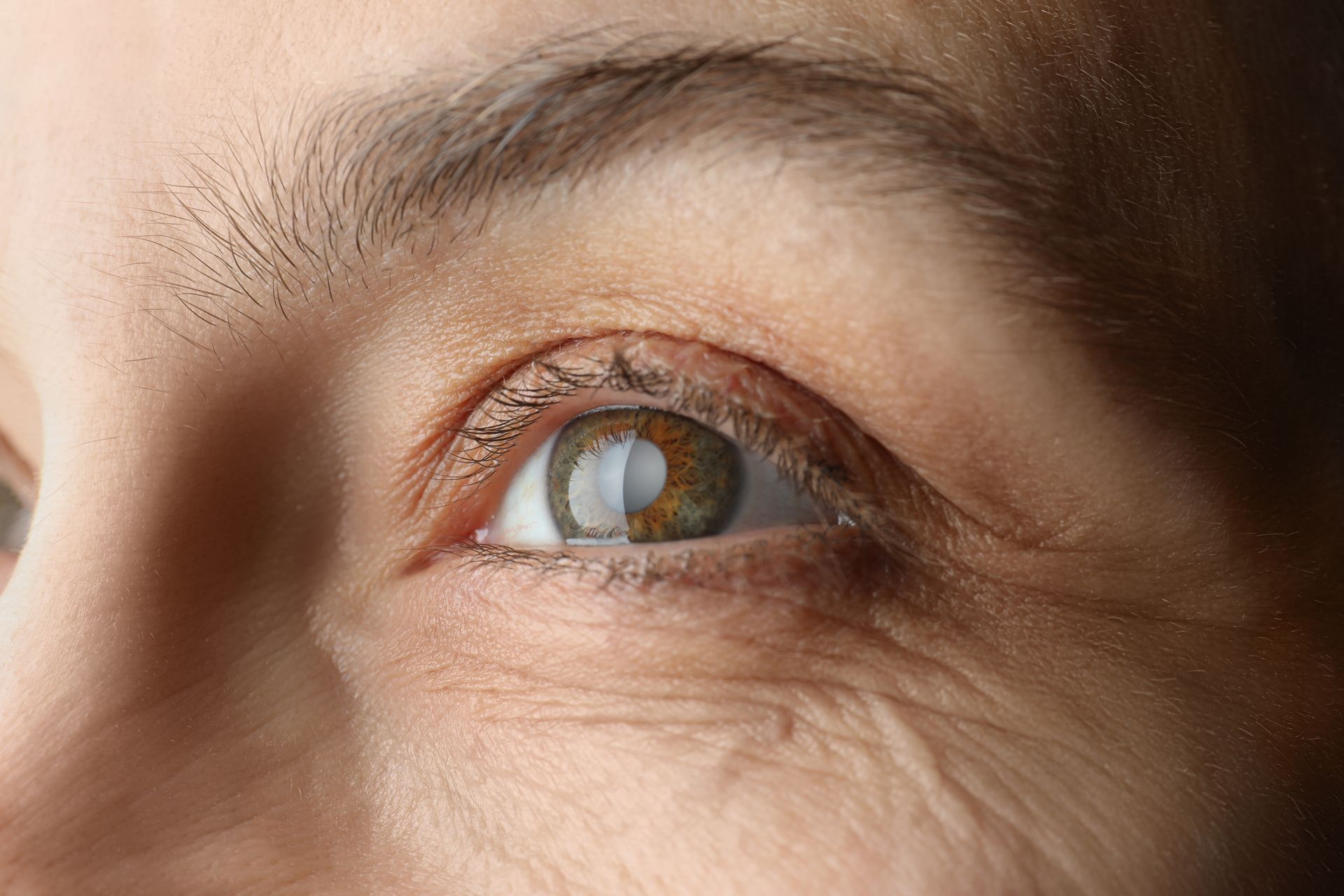
Glaucoma is a group of eye conditions characterised by progressive damage to the optic nerve, which connects the eye to the brain. The most common form, open-angle glaucoma, is closely linked to elevated pressure inside the eye (intraocular pressure), though some people develop glaucoma with normal eye pressure.
As the optic nerve is damaged, the field of vision gradually narrows, typically starting at the edges. Because the brain compensates for missing peripheral vision, most people don't notice the loss until it's advanced.
In Australia, glaucoma affects around 300,000 people, but it's estimated that half of those don't know they have it.
Who Is at Risk of Glaucoma?
You have a higher-than-average risk of glaucoma if you:
- Are over 50 (risk increases significantly with age)
- Have a first-degree relative (parent or sibling) with glaucoma
- Are of African or Asian descent
- Have elevated intraocular pressure
- Have previously had an eye injury or surgery
- Have diabetes, high blood pressure, or migraines
- Are very short-sighted (high myopia) or very long-sighted (high hyperopia)
- Use corticosteroid medications long-term
If any of these apply to you, we recommend discussing your risk with our optometrists. People with a family history of glaucoma are entitled to annual Medicare-funded eye tests specifically because of this increased risk.
How Is Glaucoma Detected?
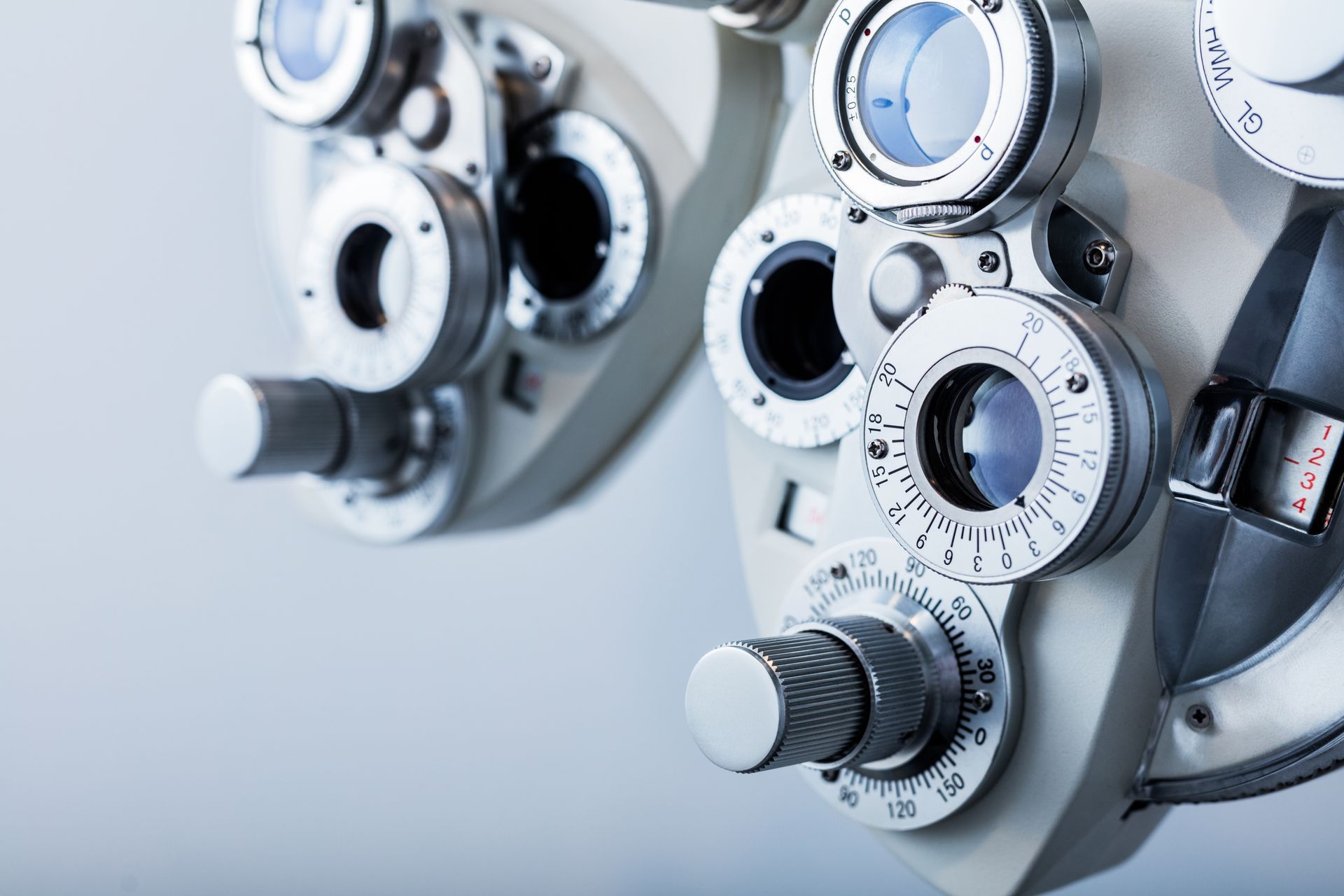
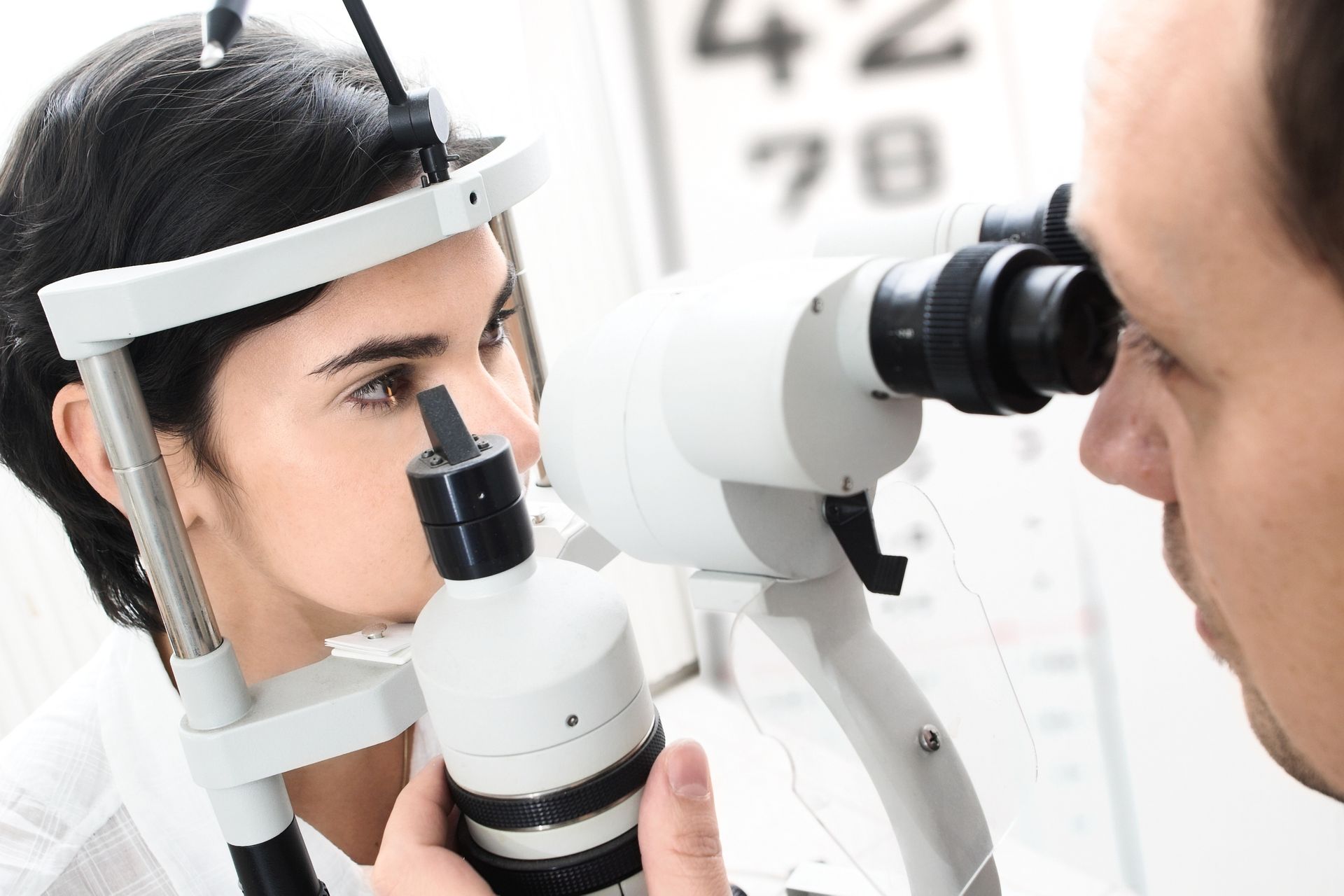
At Darling Downs Optometry, glaucoma screening is incorporated into every comprehensive eye examination. Tests include:
Intraocular pressure measurement: A quick, painless test to check the pressure inside your eye. Elevated pressure is a key risk factor.
Optic nerve assessment: Our optometrists examine the optic nerve for signs of damage or suspicious changes using ophthalmoscopy.
Visual field testing: A computerised test that maps your peripheral vision and can detect early field loss.
Optical Coherence Tomography (OCT): Our OCT scanner provides detailed imaging of the optic nerve and retinal nerve fibre layer — detecting structural changes that may precede detectable vision loss. This is one of the most powerful tools available for early glaucoma detection.
Digital Retinal Photography: Provides a baseline photograph of the optic nerve that can be compared over time to monitor for changes.
What Happens If Glaucoma Is Detected?
As therapeutically endorsed optometrists, our team at Darling Downs Optometry can initiate treatment for glaucoma without requiring an immediate referral to a specialist. Treatment options include prescription eye drops to reduce intraocular pressure, lifestyle advice, and ongoing monitoring.
Where surgical management is required, we will refer you to an ophthalmologist and remain involved in your ongoing care.
How Often Should I Be Tested?
For low-risk adults, every two years is generally recommended. For those with risk factors or a personal or family history of glaucoma, annual testing is advisable. Our team will advise you on the appropriate frequency based on your individual profile.
Book a Glaucoma Check in Toowoomba
To book a comprehensive eye examination including glaucoma screening, call Darling Downs Optometry on (07) 4638 8828 or book online. We're at 355 Ruthven Street, Toowoomba and bulk bill eligible patients for the examination.
Don't leave it until you notice symptoms. Book today.
Darling Downs Optometry — 355 Ruthven Street, Toowoomba QLD 4350 —
(07) 4638 8828